

News
-

How do integrated oil and gas burners meet modern combustion demands through high efficiency and stable performance?
The integrated oil and gas burner is a combustion device designed to meet modern industrial heating and thermal energy supply needs. It systematically integrates functions such as fuel supply, air-fuel ratio control, ignition, and combustion regulation, e
Learn More2026-08-21 -

How does the integrated blower in an integrated gas burner manage the air-gas premixing process to ensure optimal combustion efficiency?
The integrated blower serves as the central mechanical and aerodynamic engine within an integrated gas burner, fundamentally transforming how fuel and oxidizer are combined before combustion.
Learn More2026-08-14 -
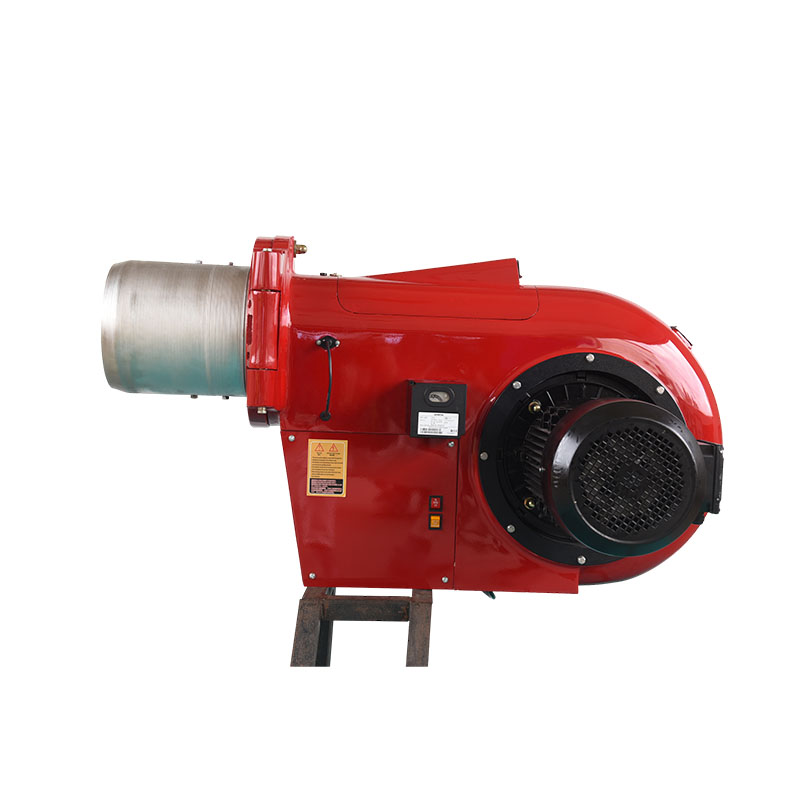
How does an integrated oil burner achieve stable and reliable automated operation through an intelligent control system?
The integrated oil burner, through its intelligent control system, highly integrates functions such as fuel supply, air conditioning, ignition detection, and operational monitoring, achieving a more intelligent, efficient, and reliable automated operation
Learn More2026-08-07 -

How do integrated oil burners reshape the landscape of industrial thermal energy with superior performance?
In the vast ecosystem of modern industrial manufacturing and thermal energy supply, the burner serves as a critical source of power; its performance directly impacts the efficiency, energy consumption, and safety of the entire production process.
Learn More2026-07-23 -
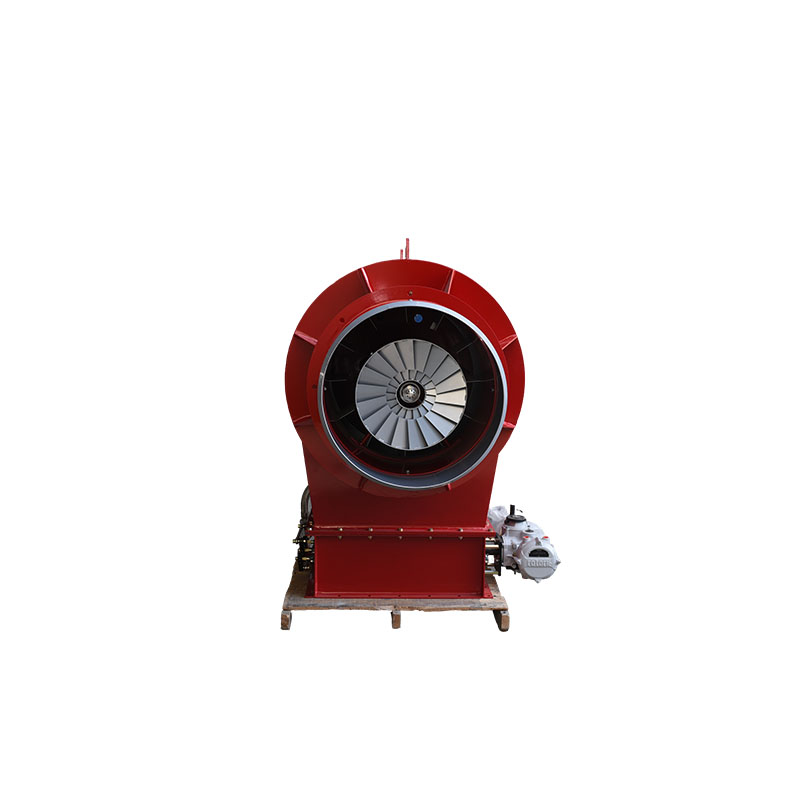
How does a split oil burner utilize its automatic adjustment function to adapt to different load conditions?
The split oil burner, with its automatic adjustment function, precise fuel control, and intelligent combustion management technology, can automatically adjust combustion parameters according to the equipment's operating status, achieving stable and effici
Learn More2026-07-15 -
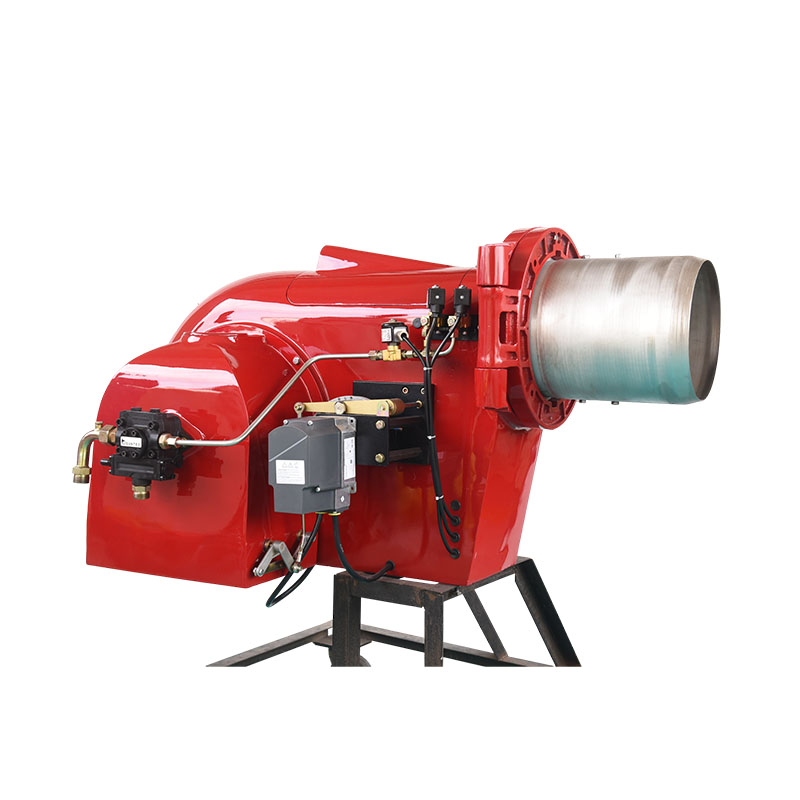
How does an integrated oil burner improve operational stability and installation convenience through its integrated structural design?
As a highly integrated combustion device, the integrated oil burner integrates multiple functional modules such as fuel supply, air conditioning, ignition control, and combustion execution. This not only reduces complex connection structures but also impr
Learn More2026-07-08