

News
-
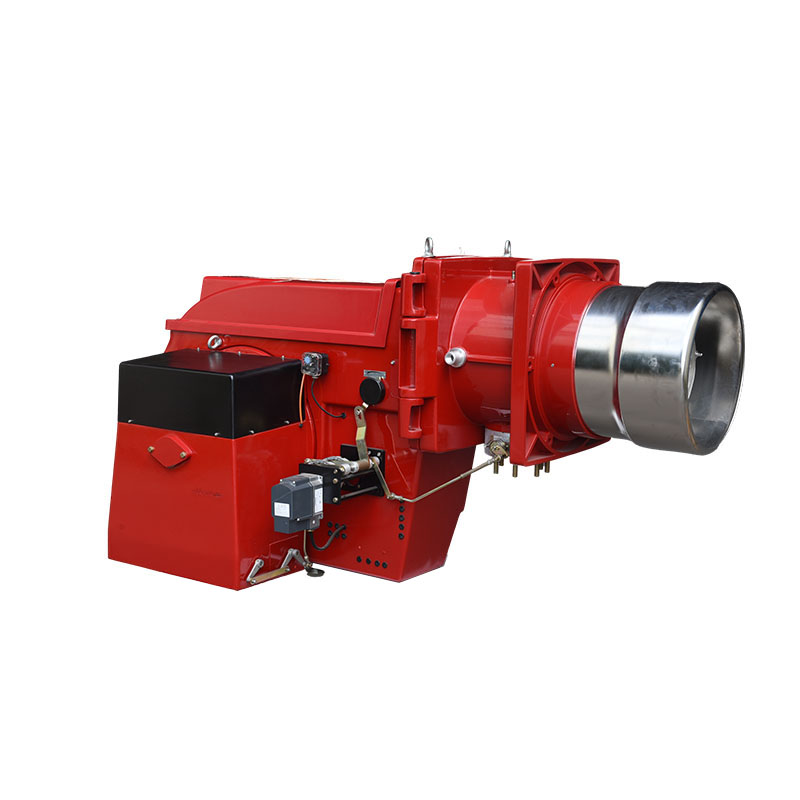
How can an integrated gas burner reduce nitrogen oxide emissions through structural improvements?
As a key piece of equipment in modern industrial and civil sectors, the control of nitrogen oxide emissions from integrated gas burners is directly related to environmental compliance and energy efficiency.
Learn More2026-03-20 -

How are split gas burners changing the industrial heating field?
How are split gas burners changing the industrial heating field?
Learn More2026-03-05 -
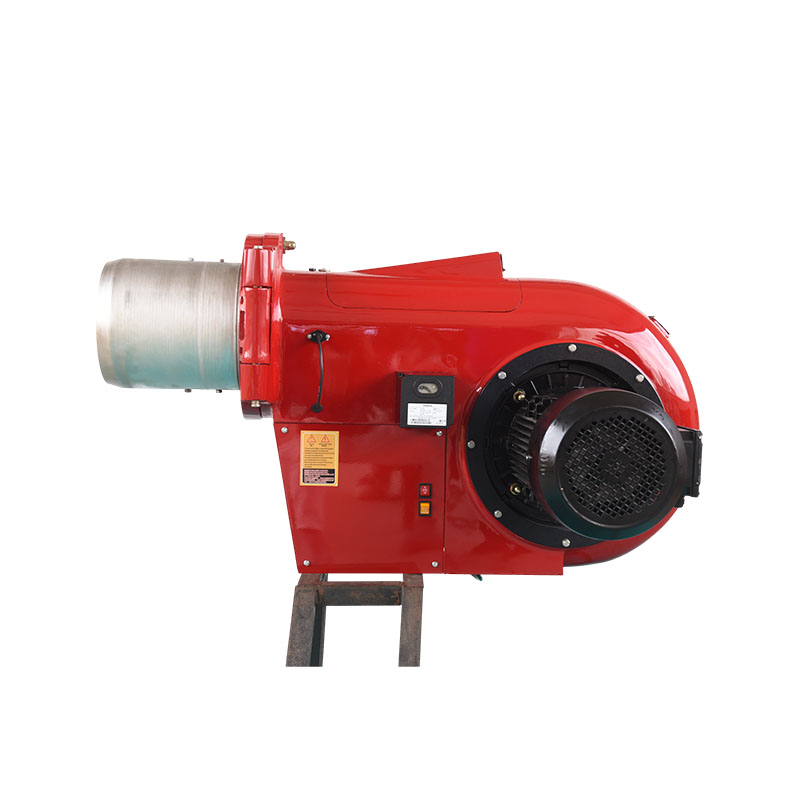
How does an integrated oil burner prevent fuel line freezing and ensure smooth fluid flow?
The integrated oil burner successfully overcomes the problem of smooth fluid flow in extremely cold environments through a sophisticated comprehensive defense system of "electric heating and heat tracing + intelligent temperature control + structural opti
Learn More2026-02-27 -
How does an integrated oil burner improve production efficiency with its rapid start-stop characteristics?
Integrated oil burners, with their rapid start-stop characteristics, are becoming key equipment for improving production efficiency. They not only reduce start-up time to a few minutes but also maintain stable combustion under frequent start-stop conditio
Learn More2026-02-20 -
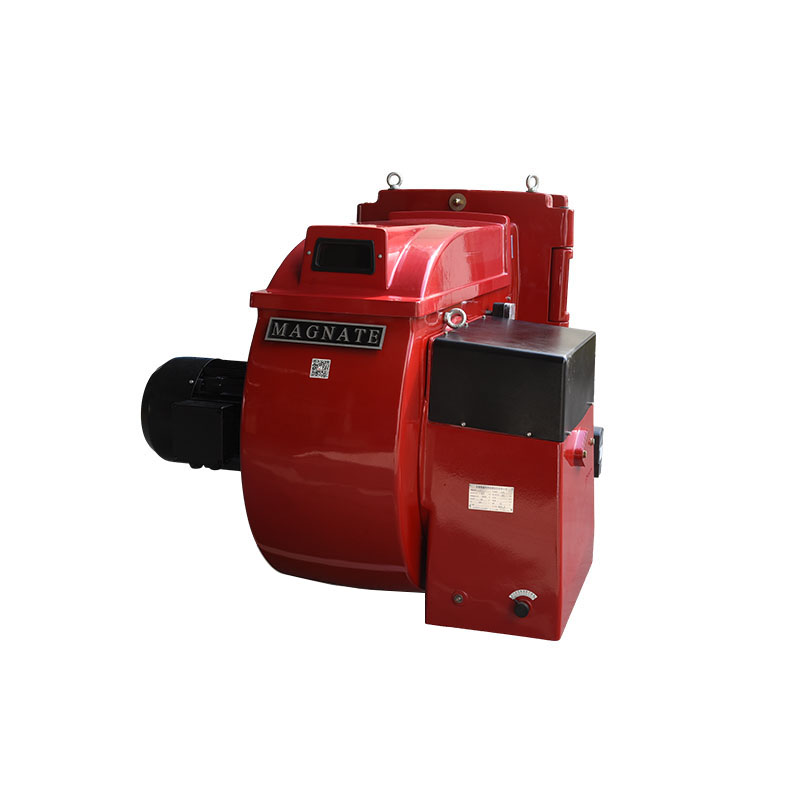
How does the intelligent control system of an integrated gas burner ensure operational safety and energy efficiency?
The integrated gas burner highly integrates the burner body, fan, gas valve assembly, ignition device, and control unit into one unit. Its core advantage lies not only in its compact structure but also in its intelligent control system—which acts as the "
Learn More2026-02-10 -
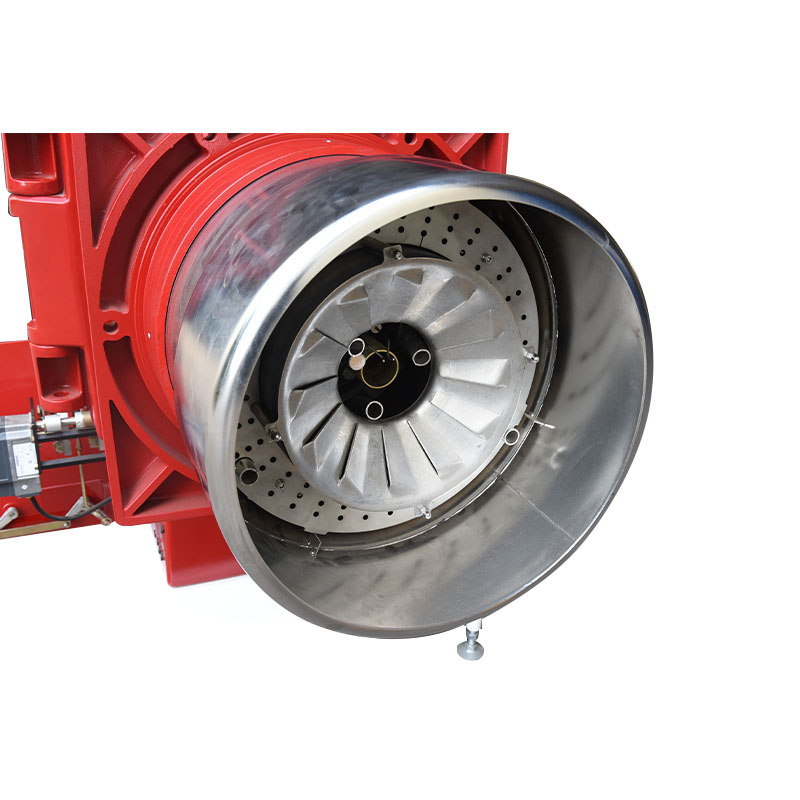
How can the heat dissipation structure design of an integrated gas burner effectively prevent components from overheating and being damaged?
Integrated gas burners typically rely on forced convection for efficient heat dissipation, which means using a built-in fan or utilizing the airflow generated by combustion to drive airflow.
Learn More2026-02-06